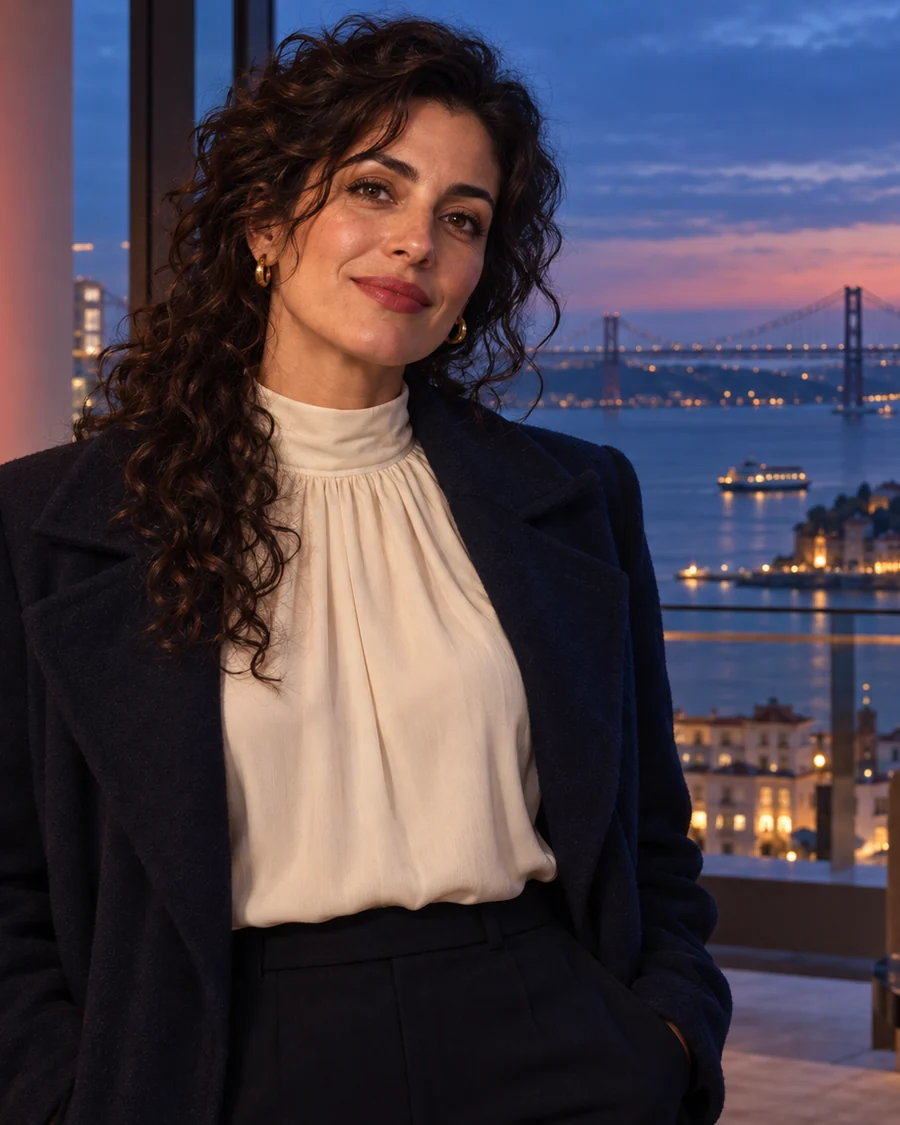
Scenario cartographer
Ines Valera
Ask Ines to map three futures for a creative project: likely, surprising and fragile. Each scenario must name its assumptions, early signals and one decision that remains reversible.
Explore this voice →INDEPENDENT PRIVACY FIELD GUIDE · 2026-10-19
A US-market model compass for Venice AI: choose the route and model together, test with low-risk prompts, and verify current access before relying on a feature or plan.
PROMPT LAB
Scenario cartographer
Ask Ines to map three futures for a creative project: likely, surprising and fragile. Each scenario must name its assumptions, early signals and one decision that remains reversible.
Explore this voice →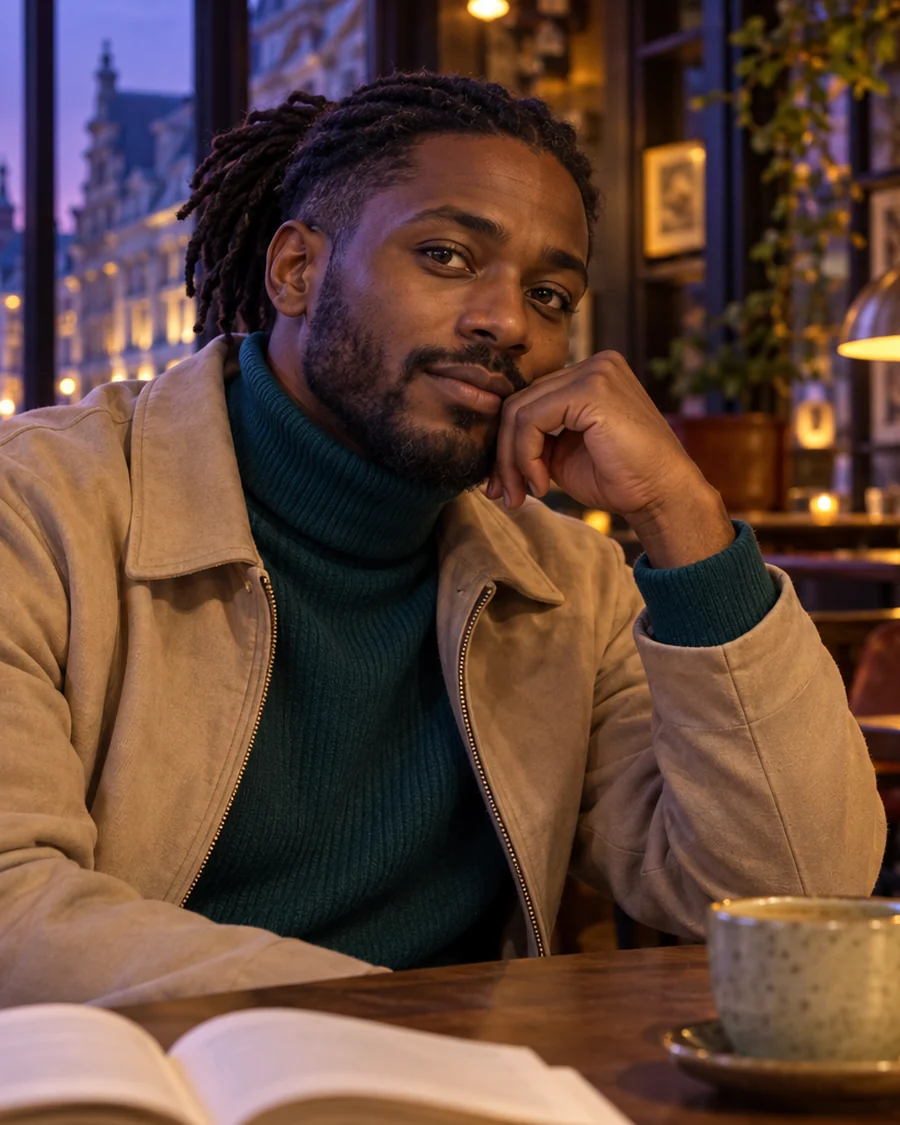
Curious interviewer
Use Marcel to turn a vague idea into ten precise questions. He should alternate practical and imaginative angles, challenge jargon and end by reflecting the strongest version of the idea.
Explore this voice →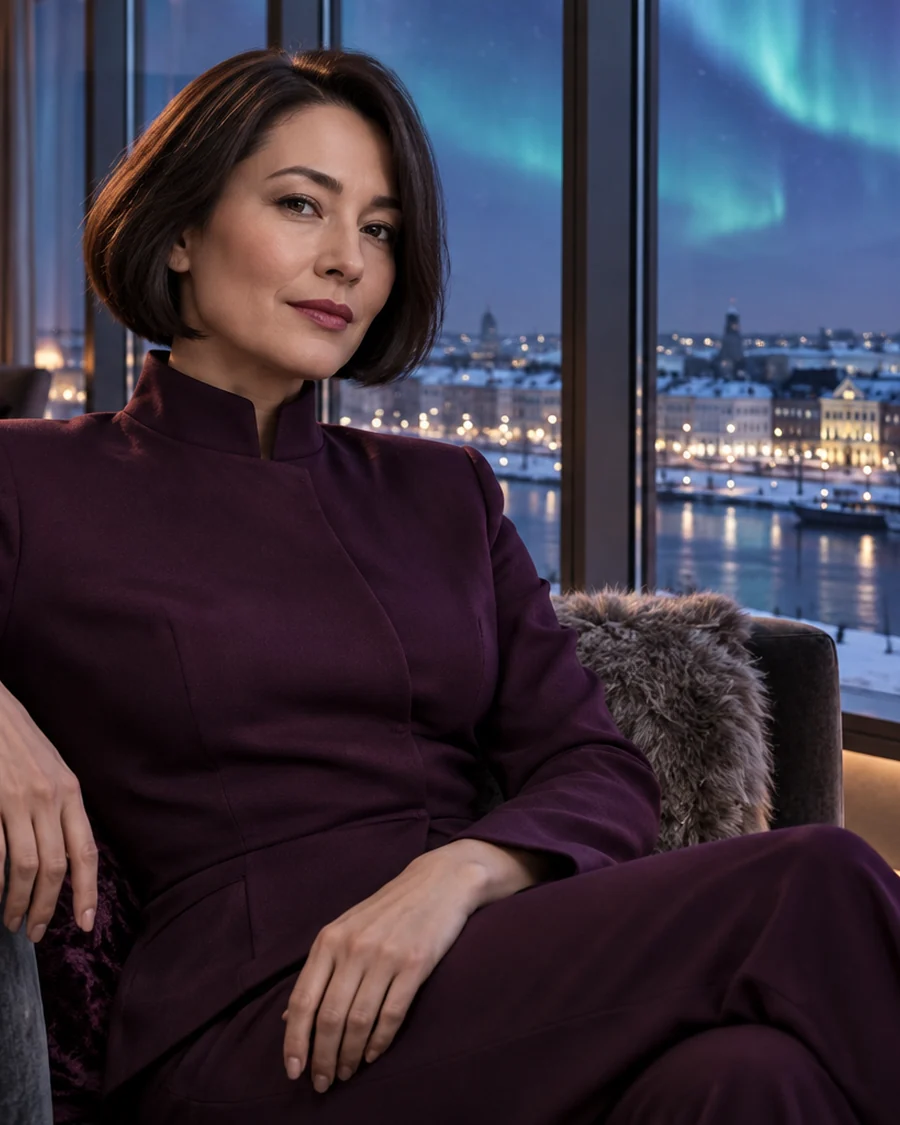
Continuity keeper
Give Hana a long fictional timeline and ask her to find contradictions, missing motivations and impossible travel. She must quote the conflicting details and propose the smallest coherent repair.
Explore this voice →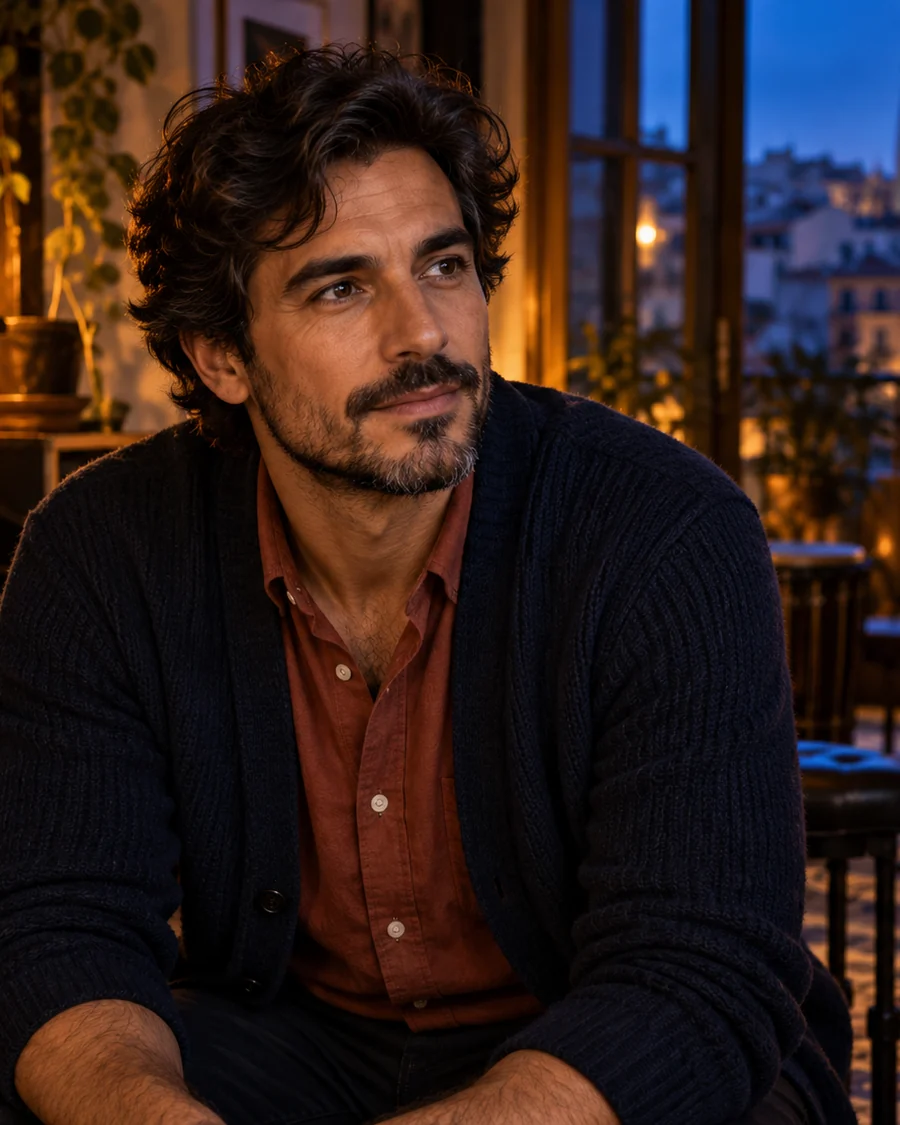
Dialogue improviser
Test adult dialogue with warmth and restraint. Leo should remove exposition, preserve consent, use subtext instead of explicit description and create distinct voices without leaning on nationality stereotypes.
Explore this voice →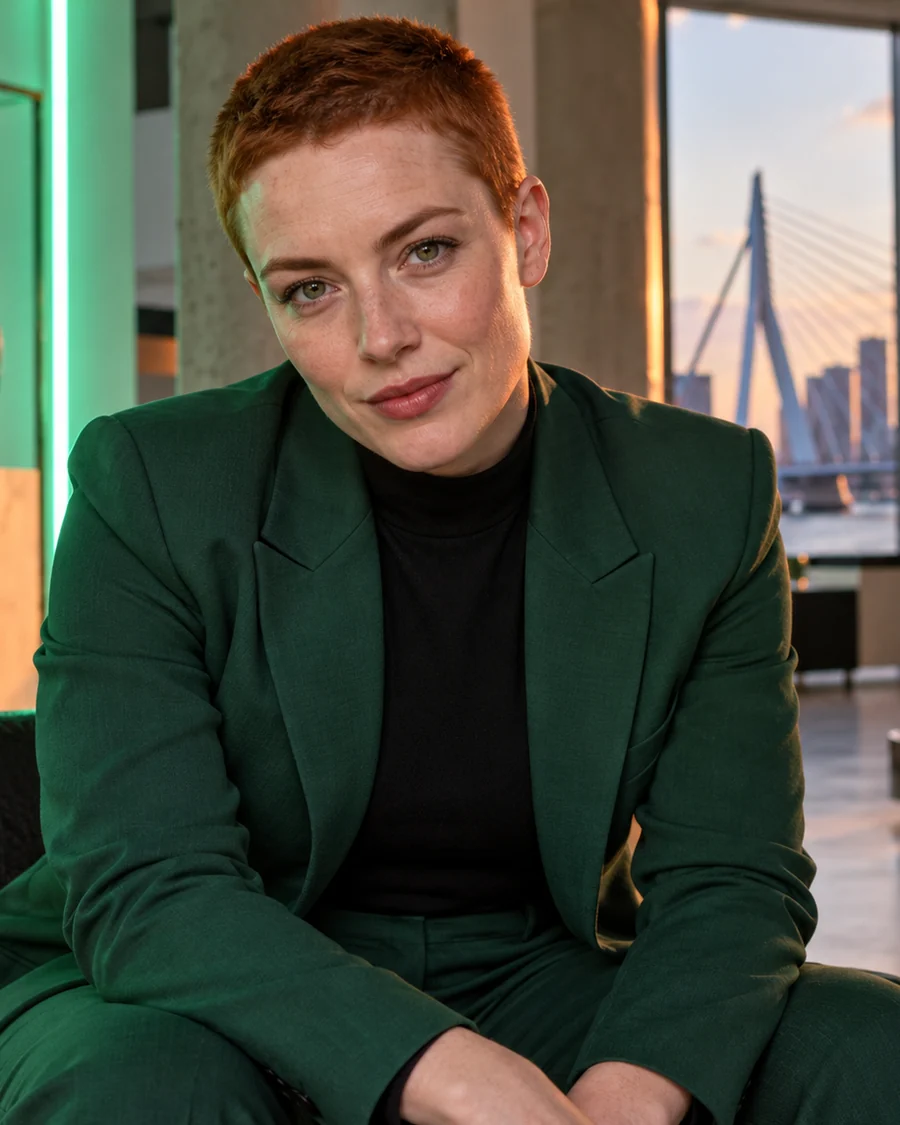
Constraint designer
Ask Noa to rewrite one concept under five unusual constraints: no adjectives, exactly nine lines, two viewpoints, one recurring object and a final sentence that changes the apparent genre.
Explore this voice →
Evidence editor
Samira should separate source-backed statements, reasonable inference and speculation. She must decline to invent citations, preserve useful uncertainty and recommend the next primary source to inspect.
Explore this voice →Media note: all portraits depict fictional adults, are fully clothed and are non-explicit. They were reviewed for adult appearance, obvious visual defects and accidental marks. The examples illustrate independent prompt design only and should never be described as Venice characters or employees.
PRIVACY LAYERS
Venice says it proxies requests to frontier model providers so those providers do not receive the user's direct identity. Its own privacy explanation also says to assume the provider sees and stores the request content. This route can be useful when a task needs a particular external model and contains no sensitive facts. It should not be treated as confidential merely because the sender is obscured.
Private models are described as running on Venice-controlled hardware or partner infrastructure bound to zero-data-retention terms. The request is still processed, but the storage commitment is stronger than the Anonymous route. This can fit drafts and planning material after identifiers are removed. It does not protect text left in the local browser, copied into another app or captured by device-level monitoring.
Trusted Execution Environment models are presented as running inside hardware-isolated enclaves with remote attestation. That design aims to reduce the need to trust ordinary server administration, but only eligible models can use it and performance may differ. The valuable question is not whether TEE sounds advanced; it is whether the current attestation and model availability cover the task you actually need to run.
Venice describes end-to-end encrypted inference as encrypting on the user's device and decrypting only inside a verified TEE. It is the strongest stated route and a Pro feature. The price is a smaller model set, slower responses and no web search or memory. For a sensitive standalone draft, that can be sensible. For live research requiring sources, the missing tools may be decisive.
LOW-DATA ROUTINE
Build three prompts that contain no personal information: one factual outline, one constrained scene between clearly adult fictional characters and one image brief that avoids artists, celebrities and brands. State the desired length, tone and unacceptable failure modes. Reuse the same pack across candidate models. A consistent pack turns impressions into a comparison and keeps valuable source material out of the first round.
Choose the privacy mode according to sensitivity, then select from the models available inside that route. Note whether web search, memory or image generation is active. Record response time and any refusal. A model that produces brilliant prose in Anonymous mode is not interchangeable with a less glamorous E2EE model if the task contains confidential material. The route is part of the result.
Check factual statements against primary sources, inspect creative work for stereotypes and unintentional imitation, and confirm that adult boundaries remain clear. Save the smallest useful extract rather than entire raw conversations. Delete local history that has outlived its purpose and review browser sync behavior. Freedom from generic filtering is valuable only when paired with deliberate editing and data minimization.
TRADE-OFF MAP
Anonymous routing can expose a broad set of third-party frontier models behind the Venice proxy.
Use synthetic or public information and assume the provider may retain the content.
Private routing emphasizes Venice GPUs or partners contractually committed not to retain prompts and replies.
Verify the live badge, remove identifiers and secure local browser history plus exports.
TEE adds isolated execution and remote attestation for a smaller group of eligible Pro models.
Check the current attestation information and decide whether slower output fits the task.
E2EE adds device-side encryption before content reaches a verified trusted environment.
Plan around the missing web search and memory features rather than assuming feature parity.
OBSERVED INTERFACE
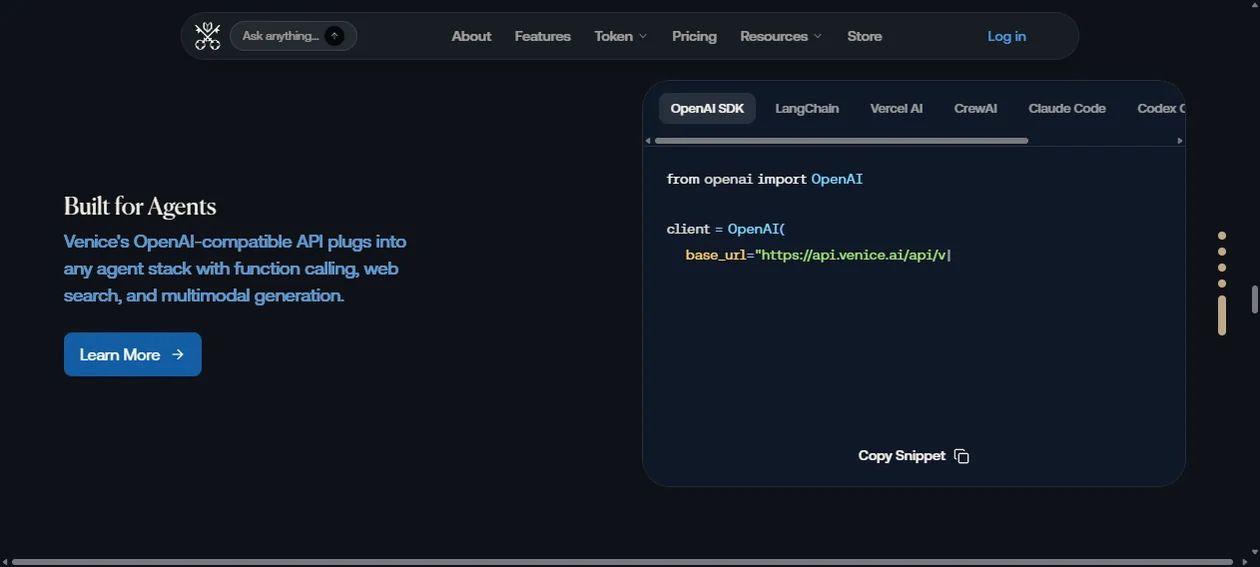
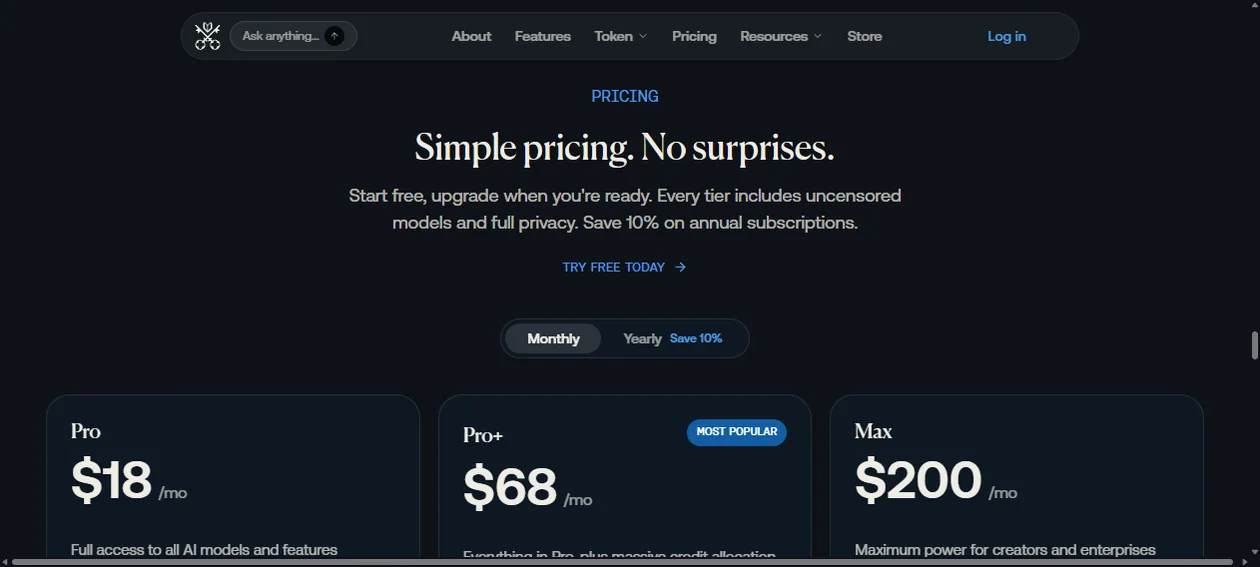
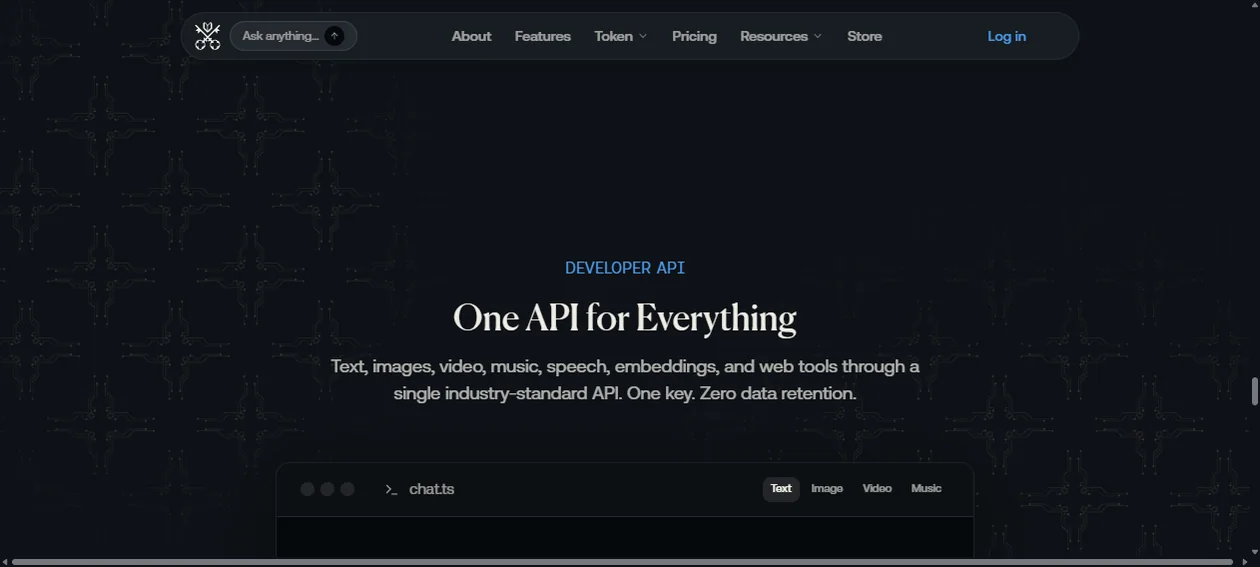
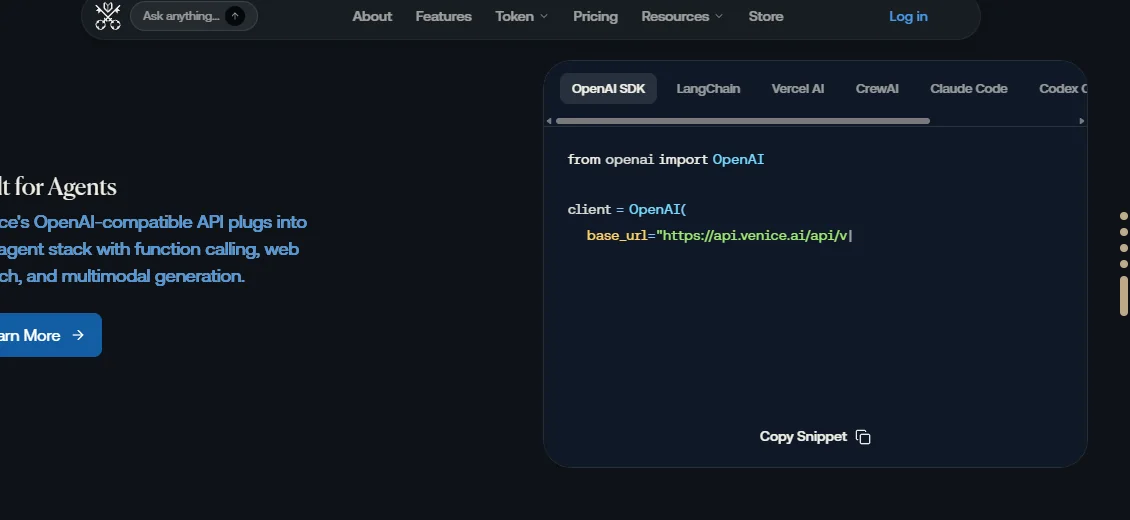
THE SHORT ANSWER
Venice is most compelling as a control surface for adults who want model choice and a clearer privacy vocabulary. The ability to see that a model is Anonymous rather than Private is more useful than a generic lock icon. Creative users may also value fewer canned refusals when developing mature but lawful fiction, argumentative essays or unconventional images. The service deserves a hands-on trial when your workflow benefits from switching models rather than adapting every task to one provider's default assistant.
The platform still depends on models with uneven accuracy, style and boundaries. Anonymous requests may be retained by an external provider; operational zero-retention claims are different from hardware-attested isolation; the strongest modes can omit web search and memory. Local history can still be exposed by the device. No uncensored label removes copyright, privacy, consent or legal obligations, and no plan should be purchased on the assumption that today's model list or limits will remain unchanged.
QUESTIONS
No. Venice is a service that provides access to multiple text and image models through its own interface and API. The selected model and privacy mode can change the behavior, tool access and trust assumptions of a request. Calling the whole service one model hides the most important product decision: which route and model combination is active for the task.
Venice uses the term to signal fewer centralized content restrictions and access to open models that may engage with lawful adult, controversial or unconventional prompts. It does not guarantee that every model will comply, that every answer is correct, or that any use is legal. The practical benefit is a wider creative range, accompanied by more responsibility to review consequences and output quality.
The answer depends on the mode. Venice says Anonymous requests are proxied, but the external provider can see and may store the content. Private aims for zero retention. TEE isolates processing in verified hardware, and E2EE adds encryption from the device to that environment. Even with stronger modes, your own device, clipboard, browser storage, screenshots and exports can reveal the material.
No. They are original fictional adult portraits created for this independent guide, with editorial names and prompt roles. They are not real people, official characters, Venice staff, model cards or documented Venice generations. Their purpose is to make a varied benchmark easier to imagine without attributing a separate companion-style feature to Venice.
Use the same synthetic prompt pack, note model and privacy mode together, keep tool availability consistent where possible, and score instruction following, factual discipline, style, latency and refusal behavior separately. Run more than one sample because generative output varies. A fair comparison also records what was unavailable; a protected model without web search cannot be judged as if it had live retrieval.
CHECK THE CLAIMS